
Mid-Autumn Festival 3D Prints
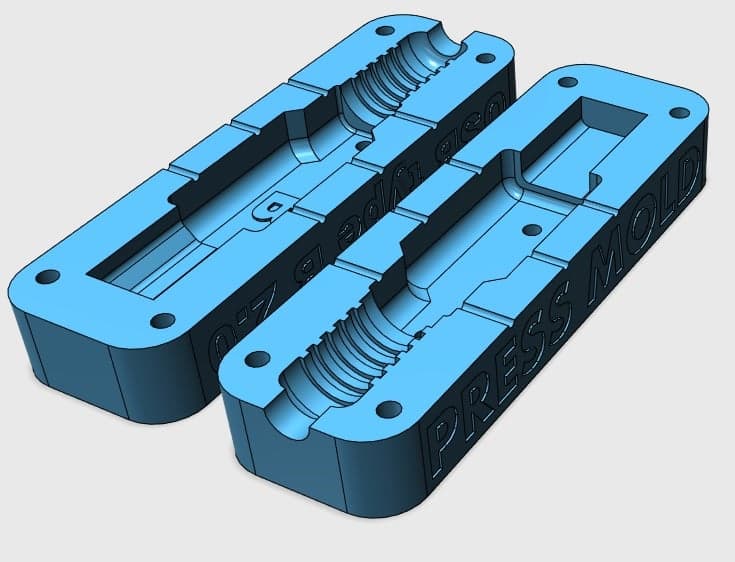
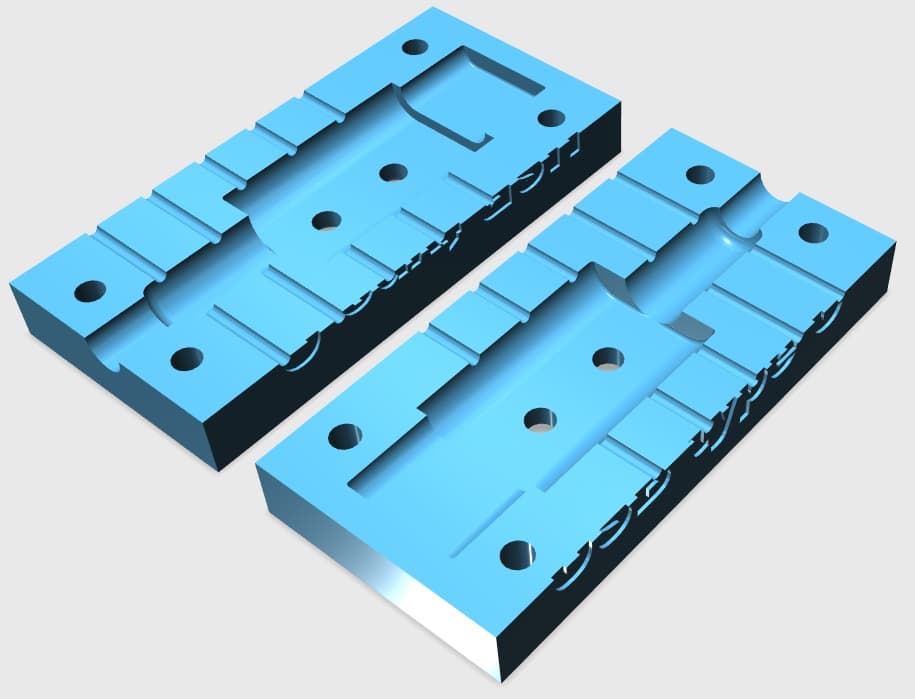
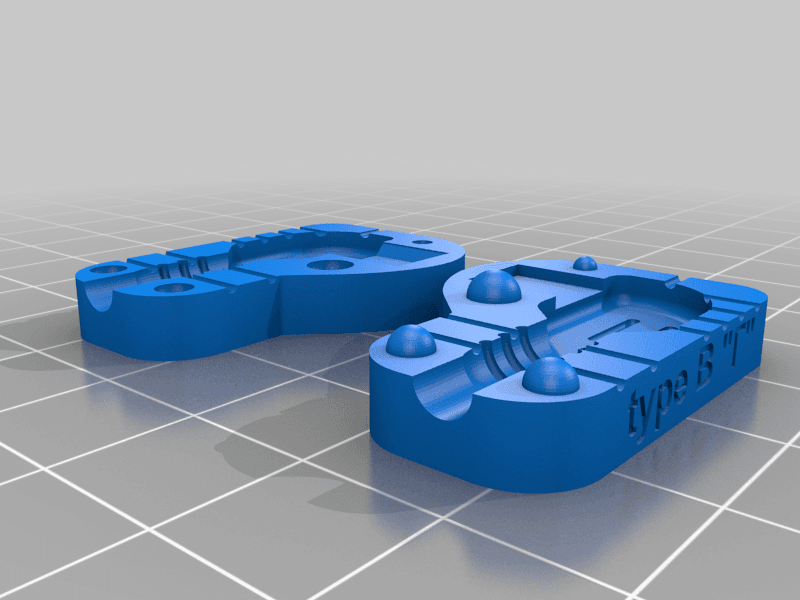
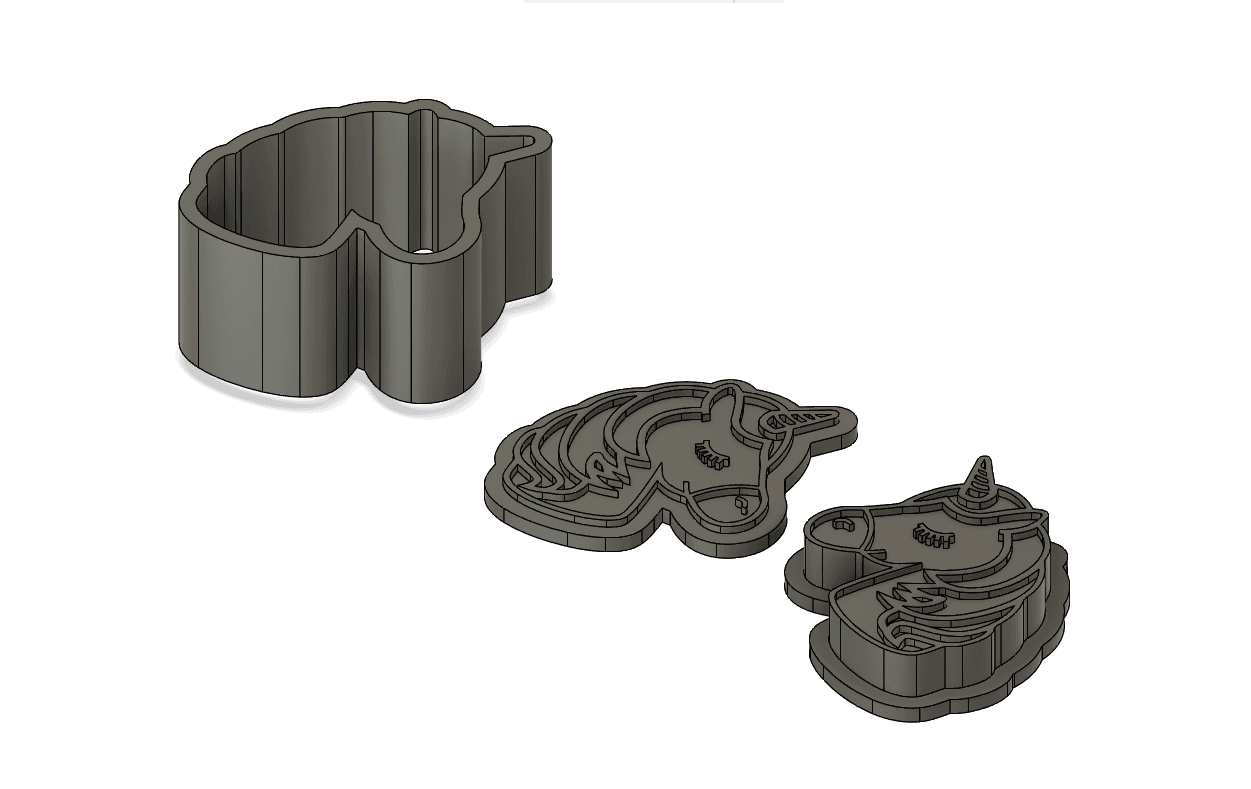
The Mid-Autumn Festival splits cleanly into two printing jobs, and they want completely different settings. On one side are the glowing pieces — paper-thin lantern shades, tea-light moon globes and jade-rabbit silhouettes that throw light across a courtyard the way the festival is meant to look. On the other are the kitchen tools — mooncake molds and presses that stamp the lotus-seed and red-bean cakes families eat under the full moon. The rows below pull both live from Printables and MakerWorld, so you see what makers across China, Taiwan and Vietnam are actually printing as the date approaches.
The festival lands on the 15th day of the 8th lunar month, which means it moves every year on the Gregorian calendar — September 25 in 2026, September 15 in 2027, October 3 in 2028. That swing matters for makers because mooncake molds and lanterns are gifted and used weeks ahead: bakery prep and lantern-walk planning start in early September, so the smart move is to print in the back half of August. Treat anything food-contact (the molds and presses) as its own project with food-safety prep — more on that below — and treat the lanterns as the fun, fast, finish-quality showpiece of the season.

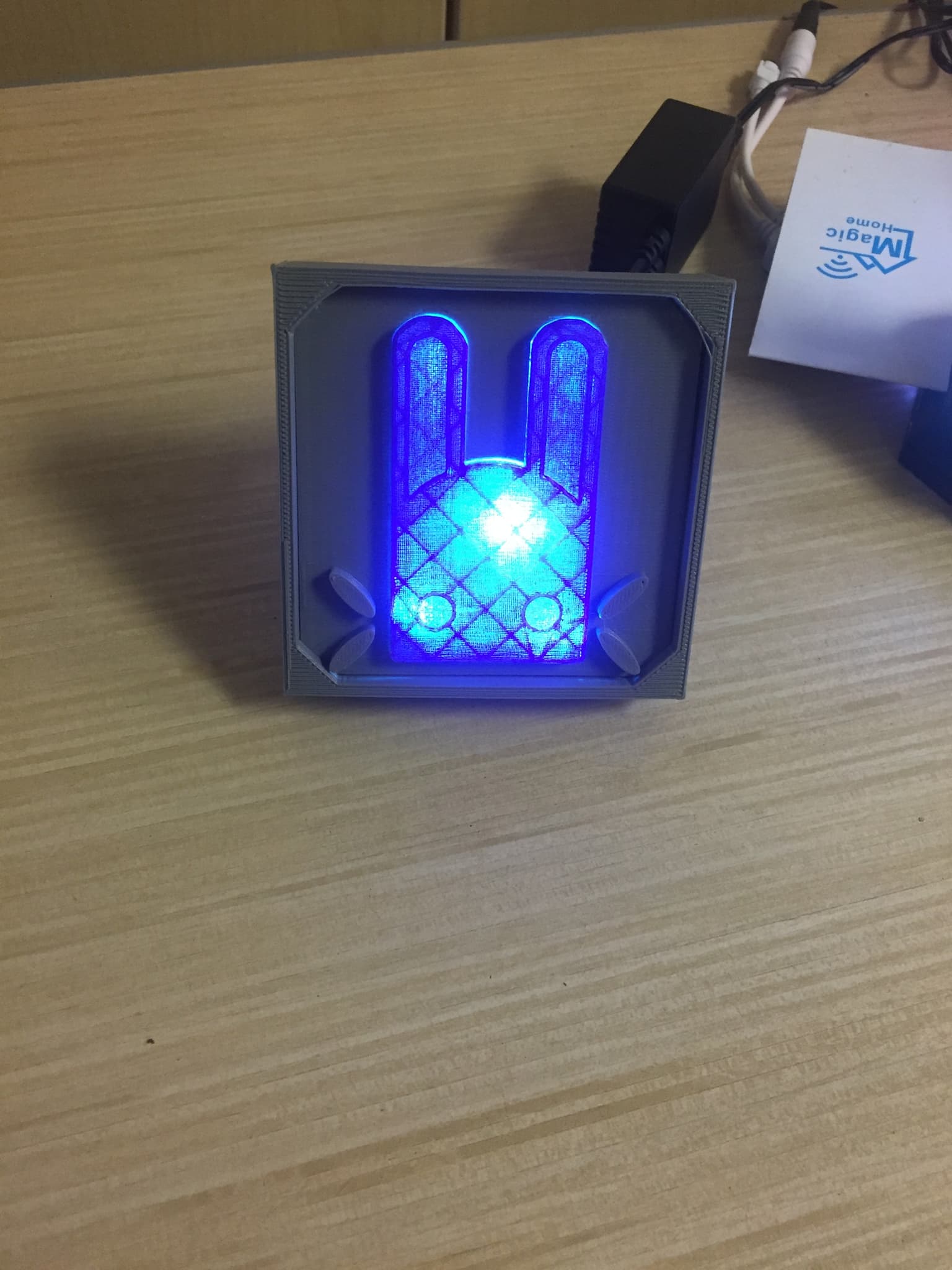
%252Fhttps%253A%252F%252Ffbi.cults3d.com%252Fuploaders%252F24080230%252Fillustration-file%252Fb8a4612b-0484-4d78-9f19-8e1be6224029%252FRabbitLantern_light.gif%26w%3D400%26q%3D80&w=1536&q=75&dpl=dpl_A98wCSPkcxbDxB1FyBFfzUoTu6Mo)

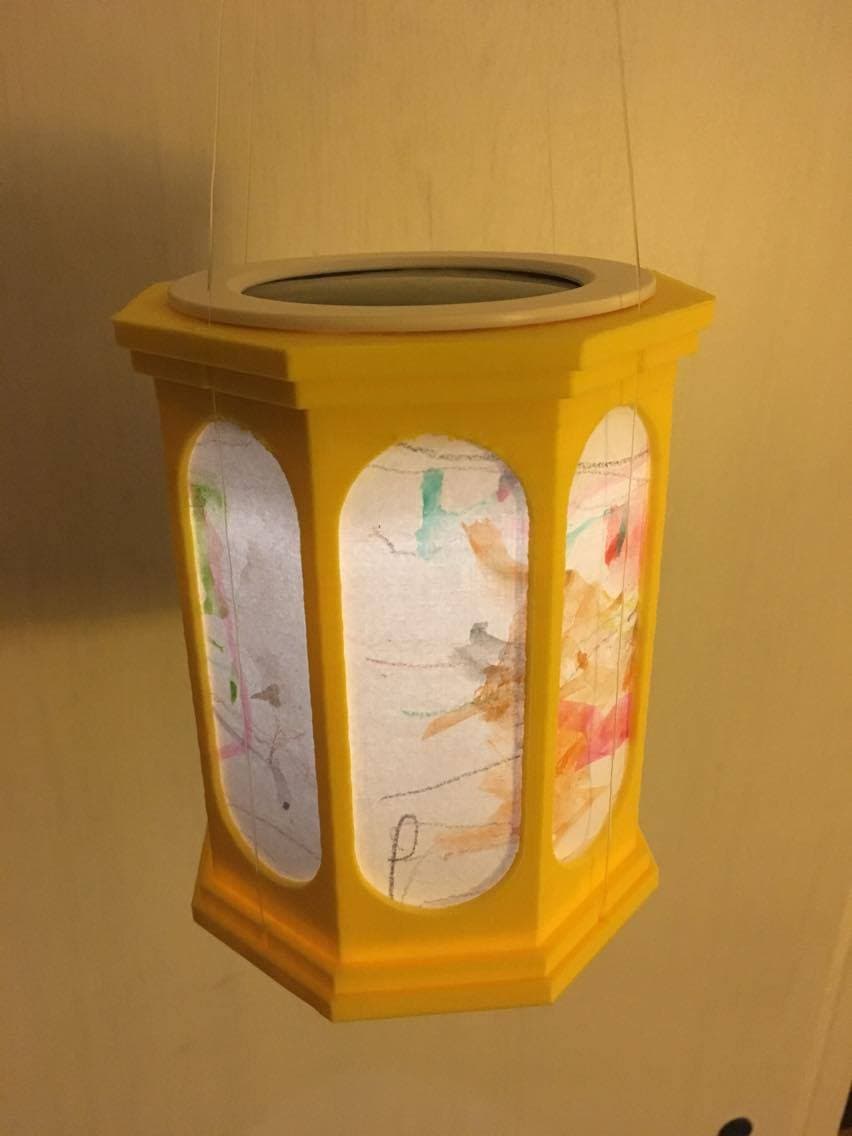
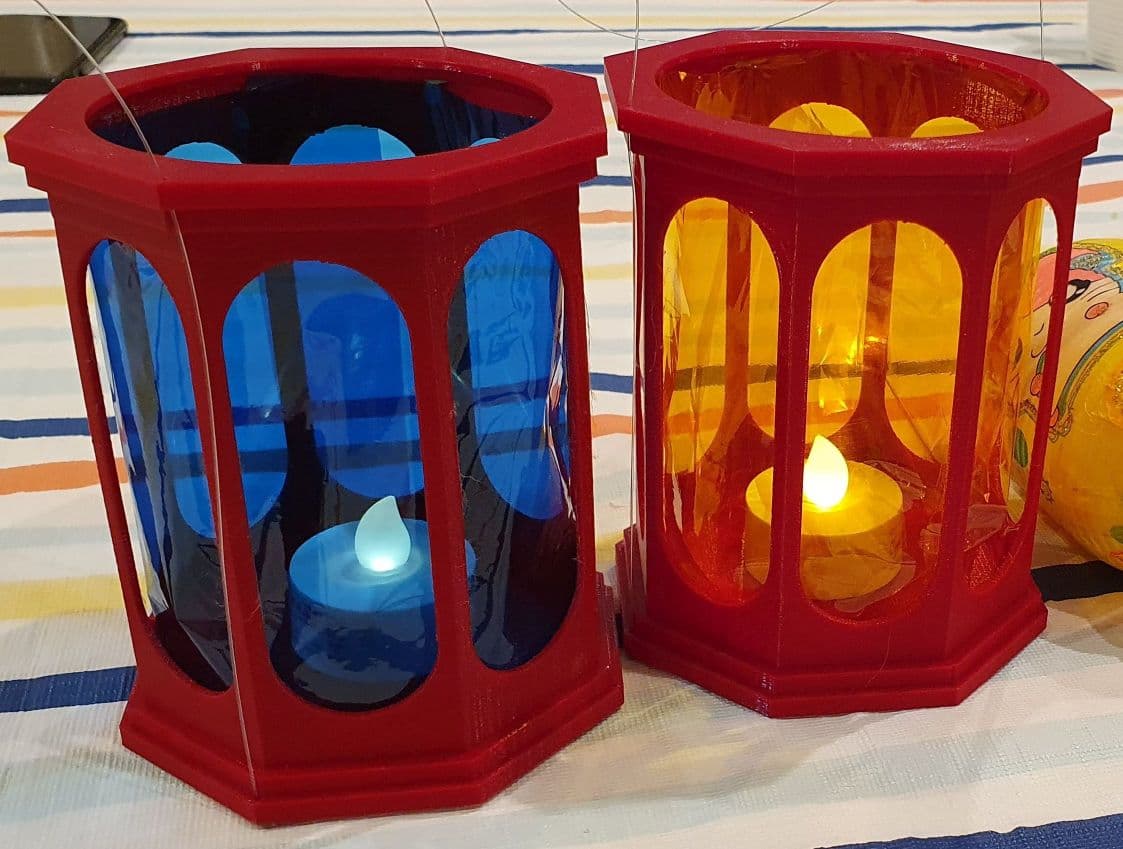
%252Fhttps%253A%252F%252Ffbi.cults3d.com%252Fuploaders%252F17786095%252Fillustration-file%252Fd0971338-1bea-49f4-8687-4ba95ef2cb1f%252F00.png%26w%3D400%26q%3D80&w=1536&q=75&dpl=dpl_A98wCSPkcxbDxB1FyBFfzUoTu6Mo)


%252Fhttps%253A%252F%252Ffbi.cults3d.com%252Fuploaders%252F35156113%252Fillustration-file%252F2a339108-c10b-47fa-abf5-4846c237f7dd%252F02.-Lantern-V2.png%26w%3D400%26q%3D80&w=1536&q=75&dpl=dpl_A98wCSPkcxbDxB1FyBFfzUoTu6Mo)

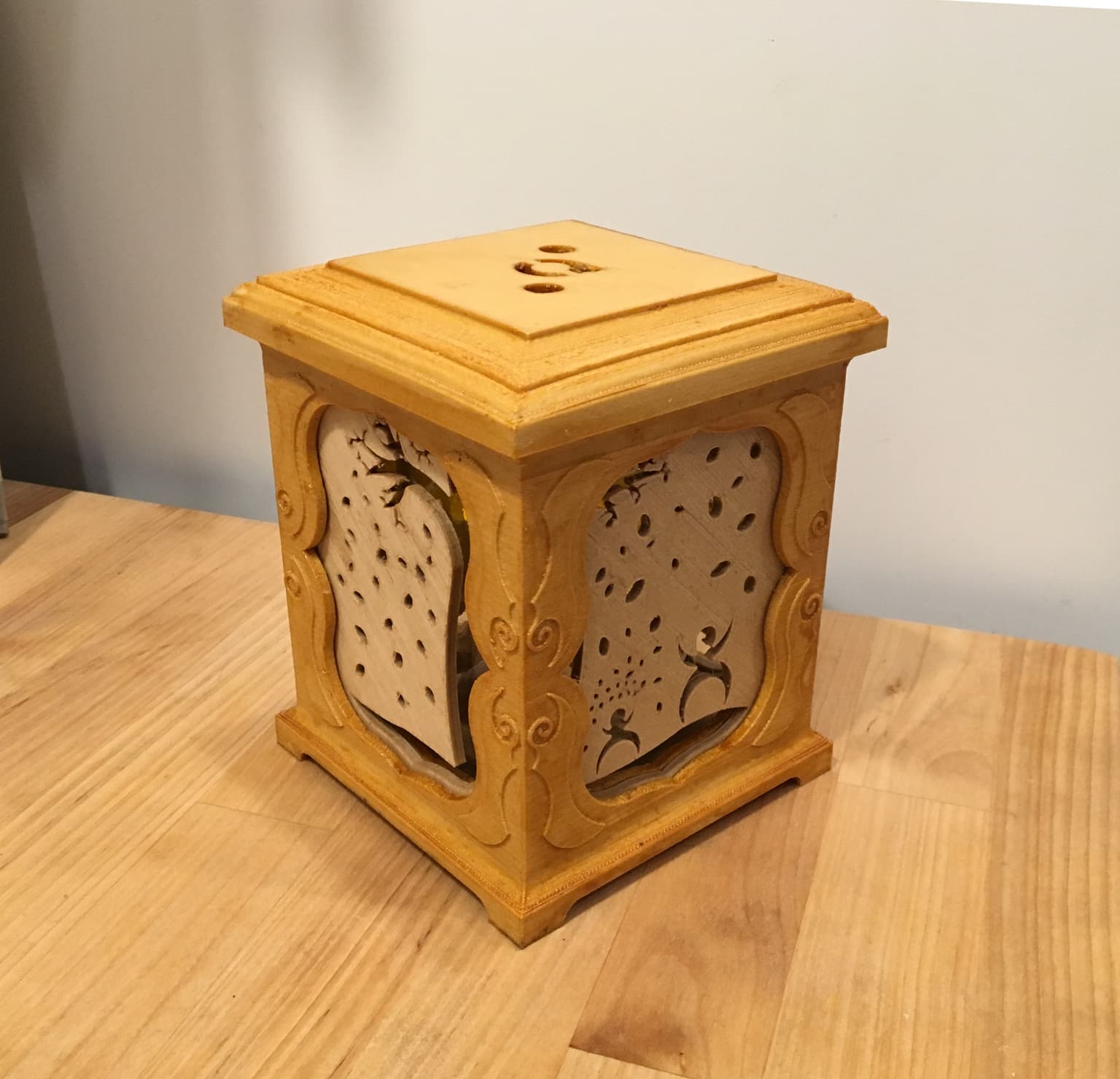

%252Fhttps%253A%252F%252Ffbi.cults3d.com%252Fuploaders%252F20701991%252Fillustration-file%252Feb0afc66-65a6-41a1-a2d7-7100dff926fc%252Fimage.jpg%26w%3D400%26q%3D80&w=1536&q=75&dpl=dpl_A98wCSPkcxbDxB1FyBFfzUoTu6Mo)


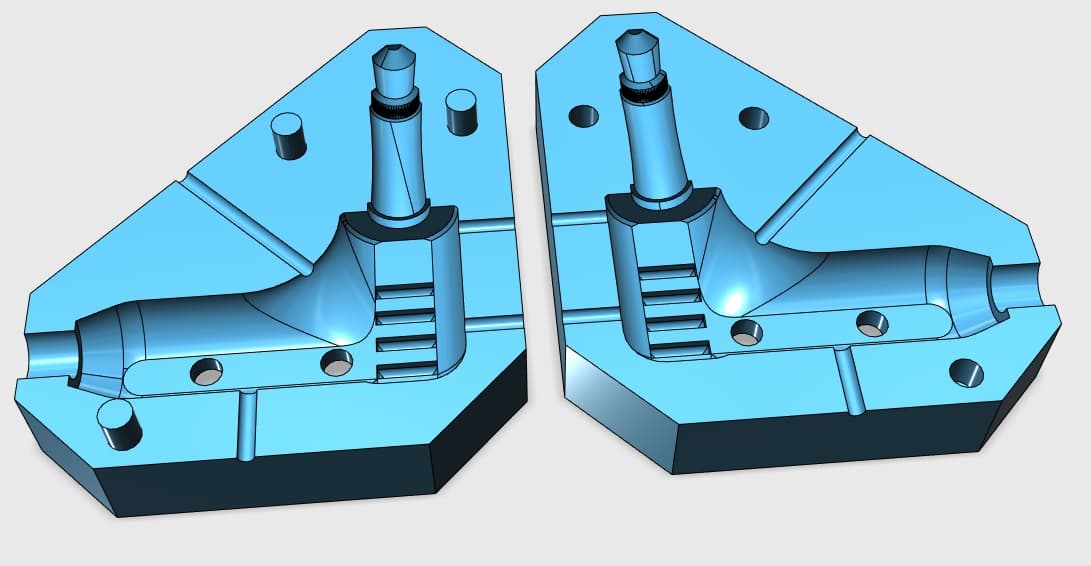
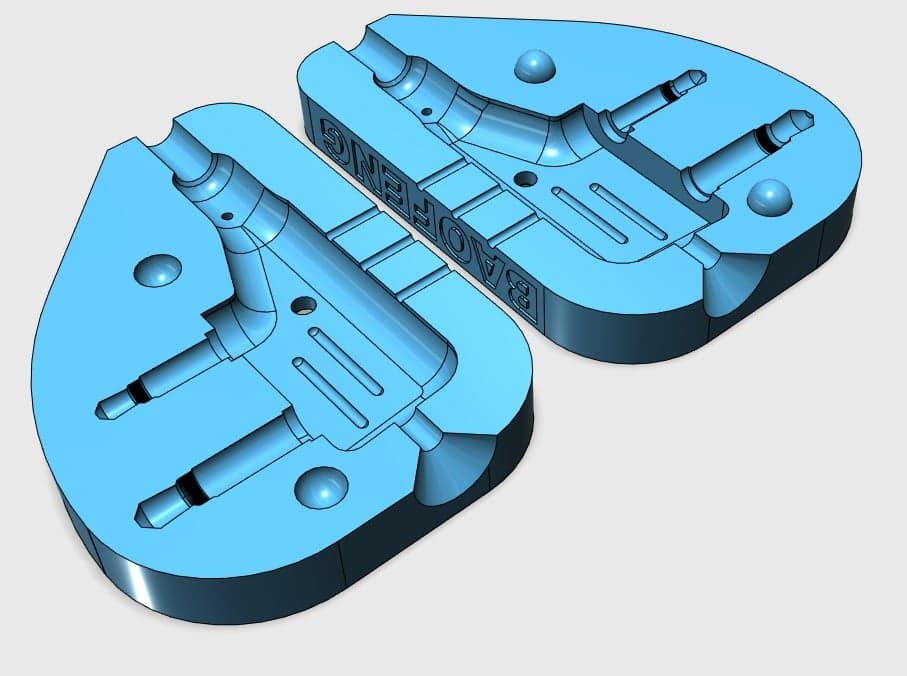
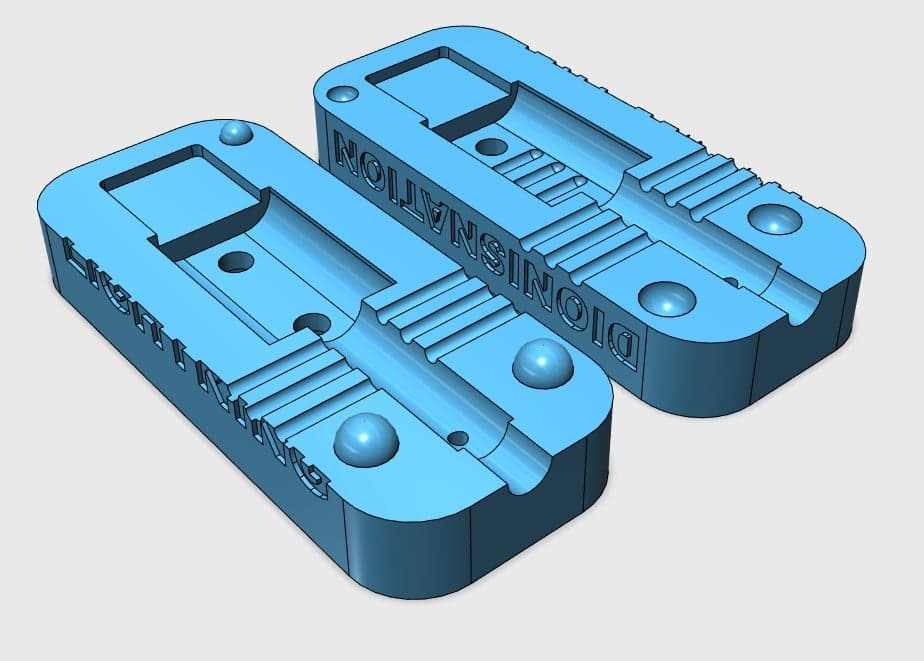

%252Fhttps%253A%252F%252Ffbi.cults3d.com%252Fuploaders%252F13496208%252Fillustration-file%252Fc753fbd0-fa7b-4910-a46e-1b273a54468c%252F%2525E4%2525B8%2525AD%2525E7%2525A7%25258B%2525E6%25259C%252588%2525E4%2525BA%2525AE%2525E7%25258E%2525AB%2525E7%252591%2525B0%2525E7%25258E%252589%2525E5%252585%252594%2525E5%252590%25258A%2525E5%25259D%2525A0.jpg%26w%3D400%26q%3D80&w=1536&q=75&dpl=dpl_A98wCSPkcxbDxB1FyBFfzUoTu6Mo)
%252Fhttps%253A%252F%252Ffbi.cults3d.com%252Fuploaders%252F13496208%252Fillustration-file%252Fa82b6e70-b5d5-46a0-93bb-fca836be4b2a%252F%2525E4%2525B8%2525AD%2525E7%2525A7%25258B%2525E6%25259C%252588%2525E4%2525BA%2525AE%2525E7%25258E%252589%2525E5%252585%252594%2525E5%252590%25258A%2525E5%25259D%2525A0.jpg%26w%3D400%26q%3D80&w=1536&q=75&dpl=dpl_A98wCSPkcxbDxB1FyBFfzUoTu6Mo)
%252Fhttps%253A%252F%252Ffbi.cults3d.com%252Fuploaders%252F43838355%252Fillustration-file%252Fa1154b24-ca55-4f17-96a1-5b2b986e6f39%252Fchinesa.jpeg%26w%3D400%26q%3D80&w=1536&q=75&dpl=dpl_A98wCSPkcxbDxB1FyBFfzUoTu6Mo)
%252Fhttps%253A%252F%252Ffbi.cults3d.com%252Fuploaders%252F19160372%252Fillustration-file%252F99ec56ad-c1ae-498e-8ebb-82782fd767c2%252FMoon-Jade-Rabbit-Pendant.jpg%26w%3D400%26q%3D80&w=1536&q=75&dpl=dpl_A98wCSPkcxbDxB1FyBFfzUoTu6Mo)
%252Fhttps%253A%252F%252Ffbi.cults3d.com%252Fuploaders%252F17592770%252Fillustration-file%252F1cc7e207-1e17-4669-8a6a-4f9298e88ec8%252FCaptura-de-ecr%2525C3%2525A3-2021-05-22-160028.png%26w%3D400%26q%3D80&w=1536&q=75&dpl=dpl_A98wCSPkcxbDxB1FyBFfzUoTu6Mo)


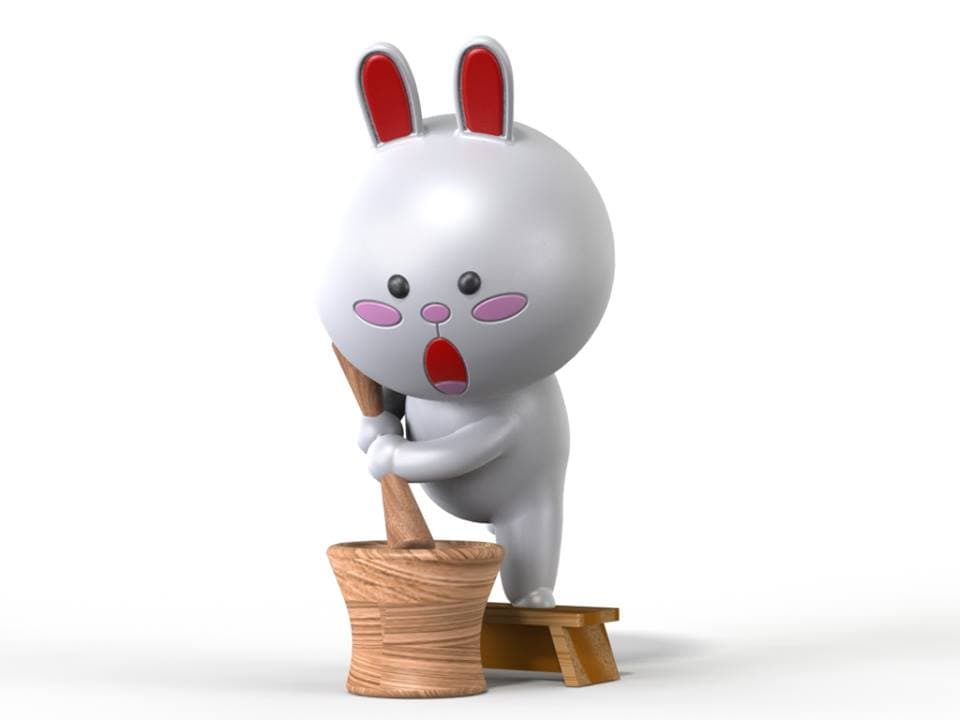
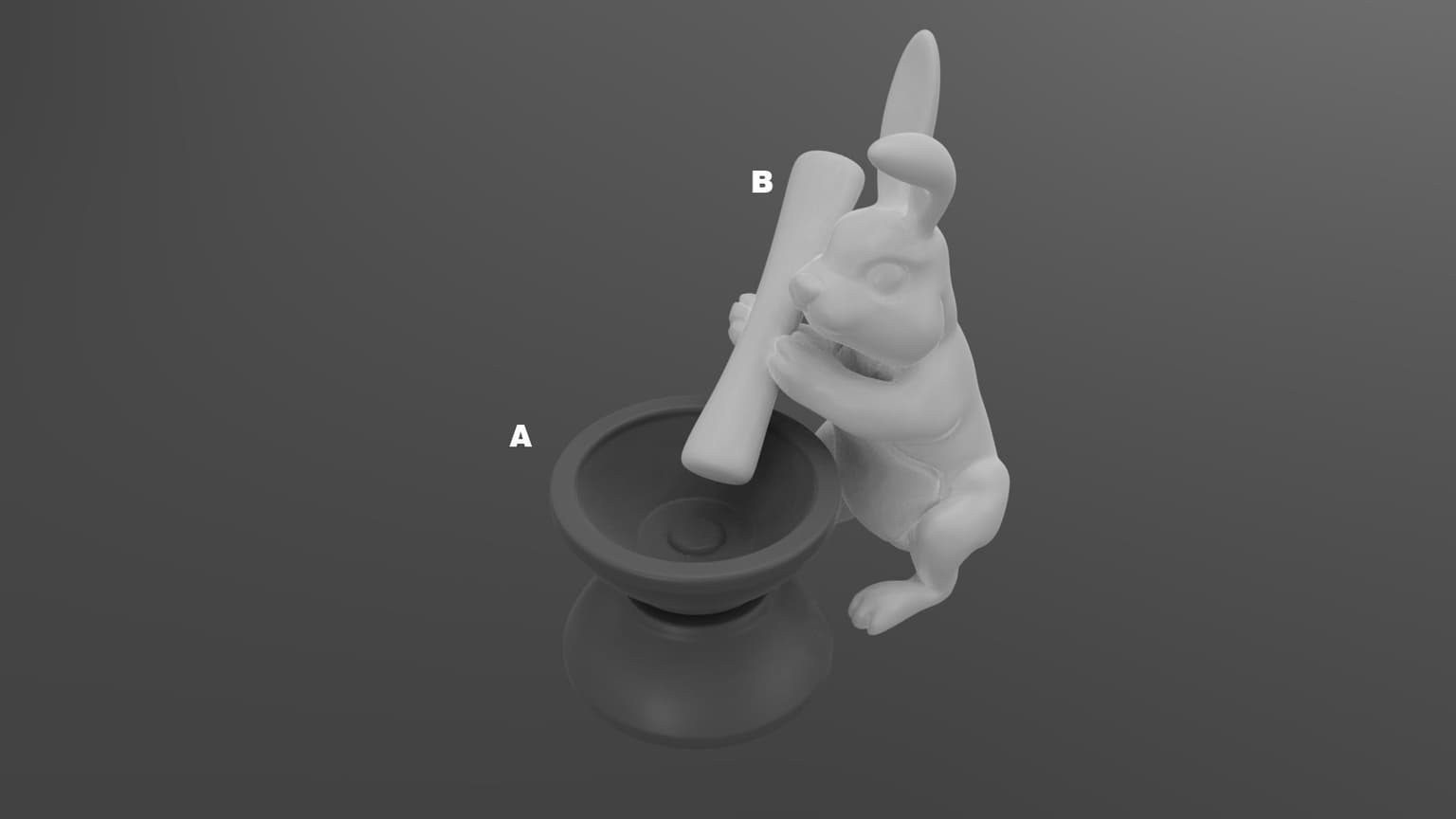
![Rabbits who live in the moon. [no0on_No.01_Ver1.1] — 3D model preview](/_next/image?url=https%3A%2F%2Fcdn.thingiverse.com%2Fassets%2Ffb%2F51%2Fae%2Fec%2F2a%2Fno0on_Chr01_TopImg_01.jpg&w=1536&q=75&dpl=dpl_A98wCSPkcxbDxB1FyBFfzUoTu6Mo)


Printing tips for mid-autumn festival 3d prints
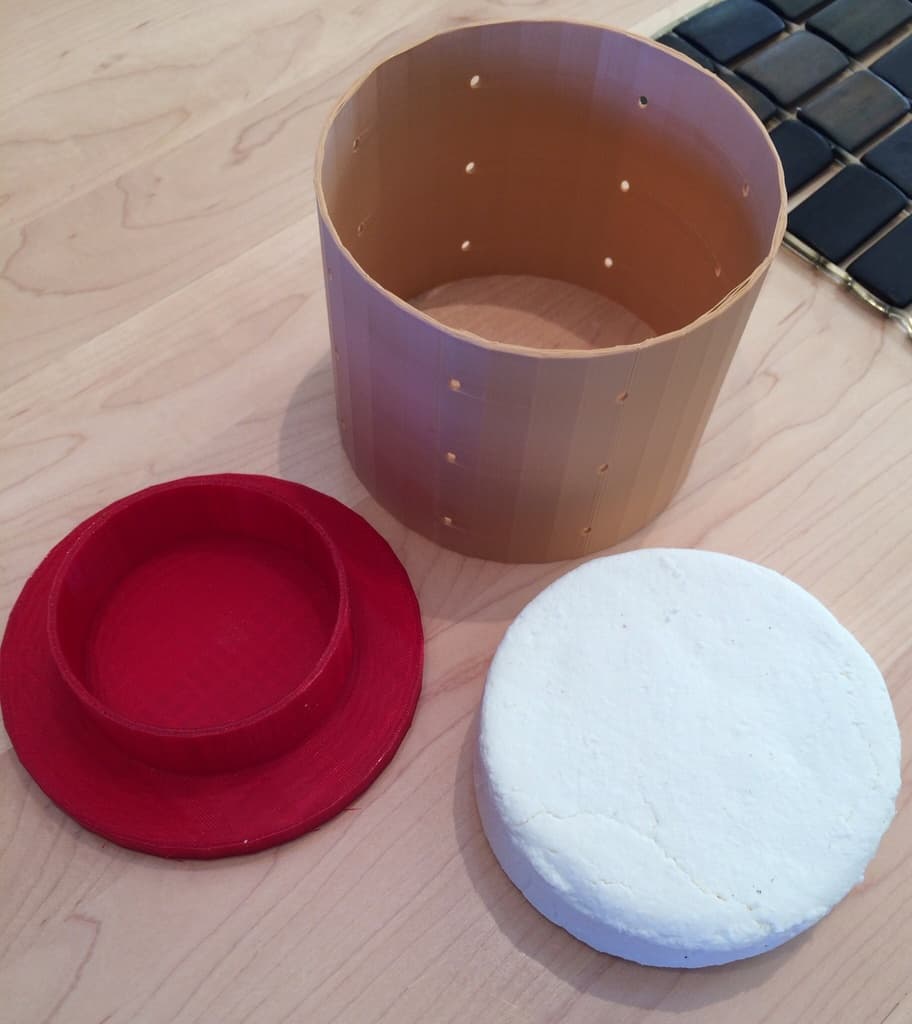
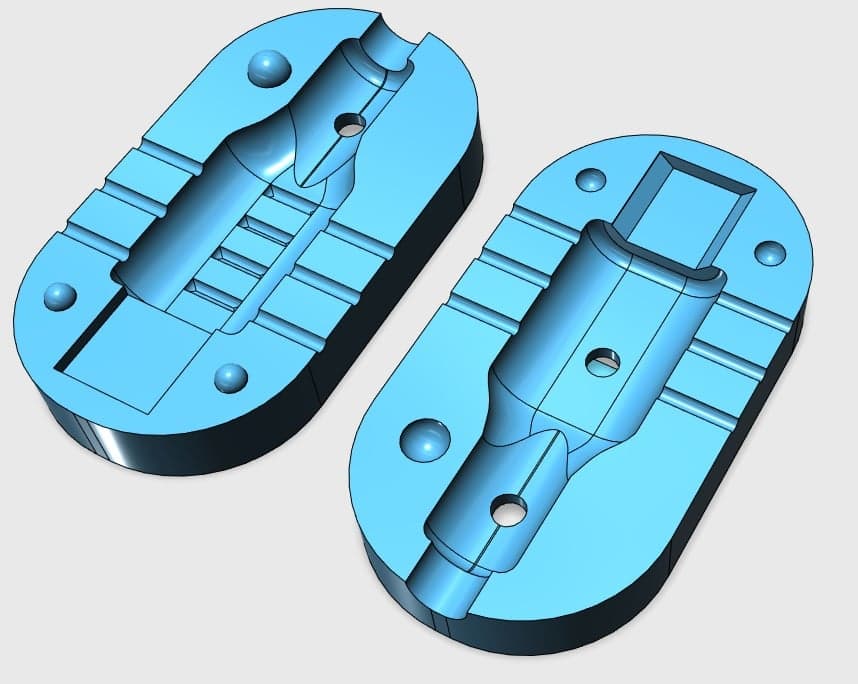
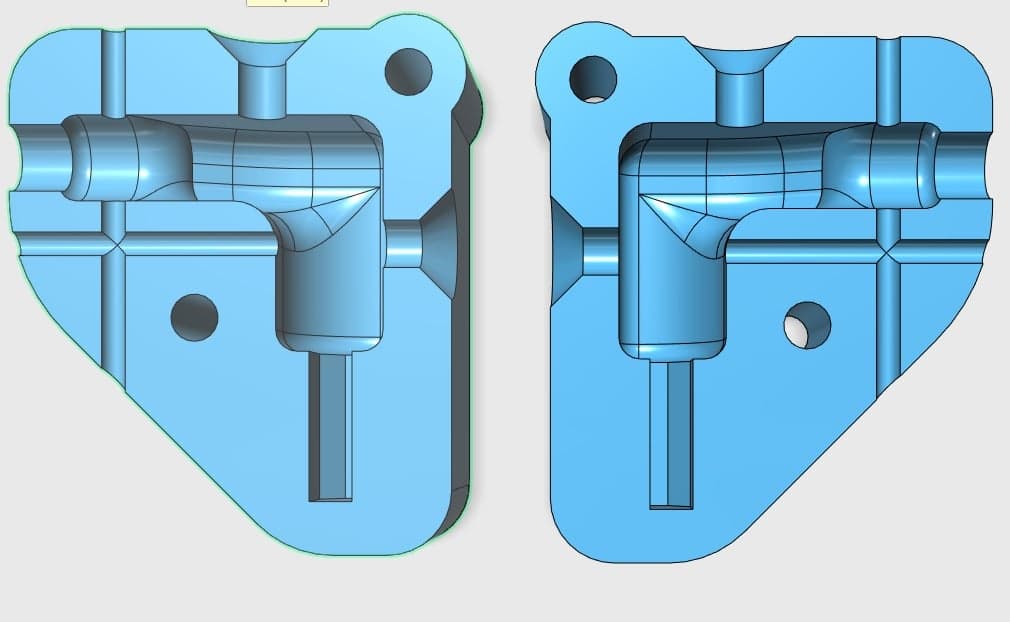
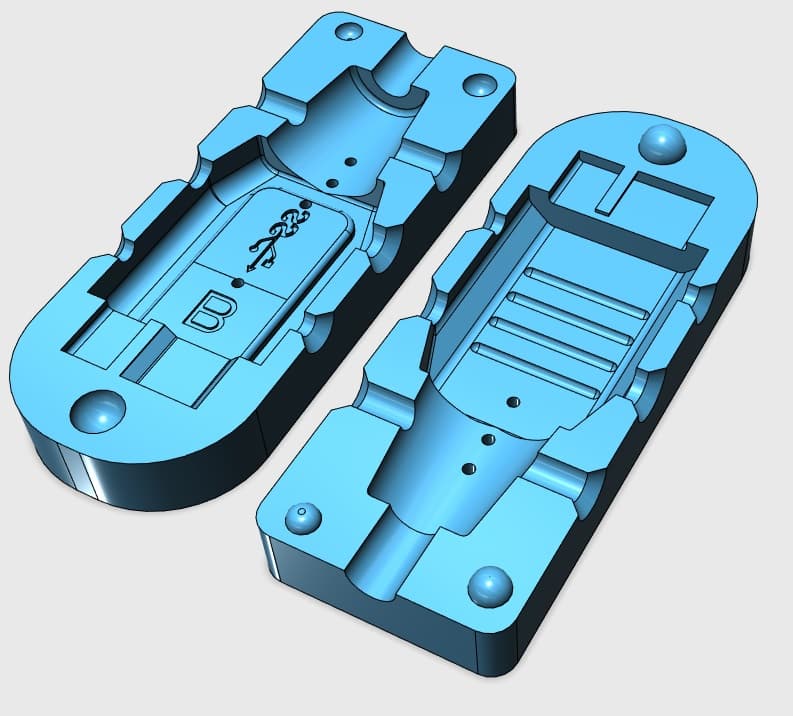
Mooncake molds: food-safe means coated, not raw PLA
Raw FDM molds trap dough in the layer grooves and harbor bacteria. The reliable route is a printed mold used as a master to cast a food-grade silicone press, or a direct mold sealed with food-safe epoxy and dusted with flour before each stamp. Print the pattern plate at 0.12mm layers or finer — the lotus and character detail is what makes the cake, and coarse layers blur it. Skip PETG here in favor of PLA only if you are casting silicone from it, never for direct dough contact without a coating.
Lantern shades: vase mode and white-translucent filament
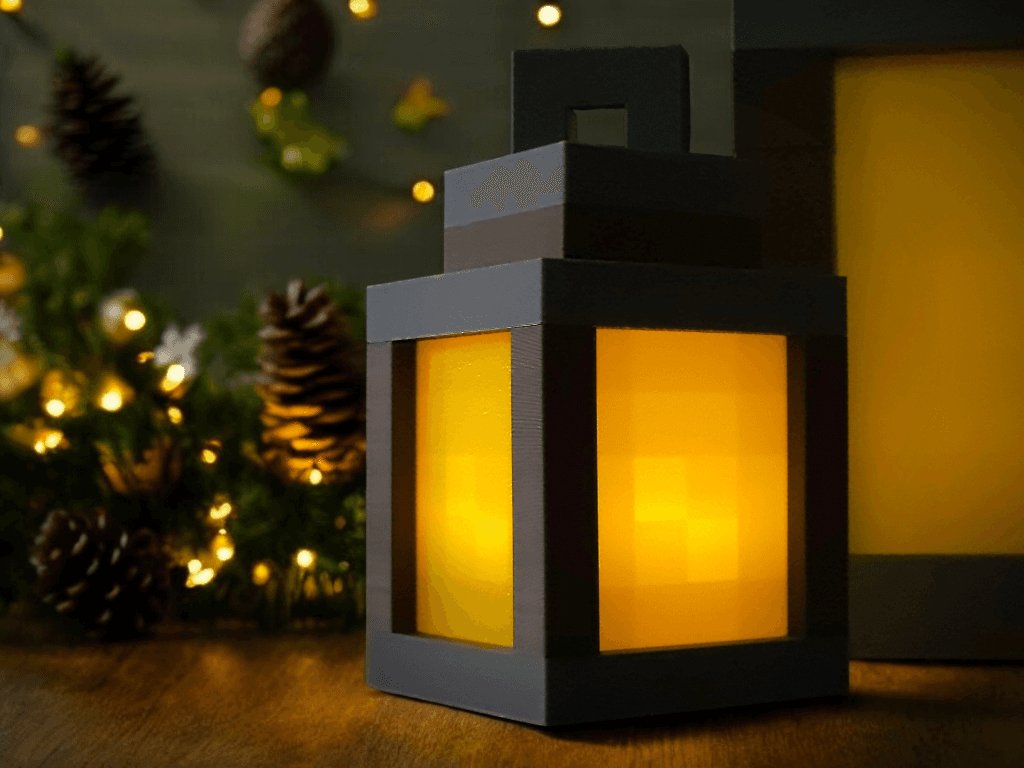
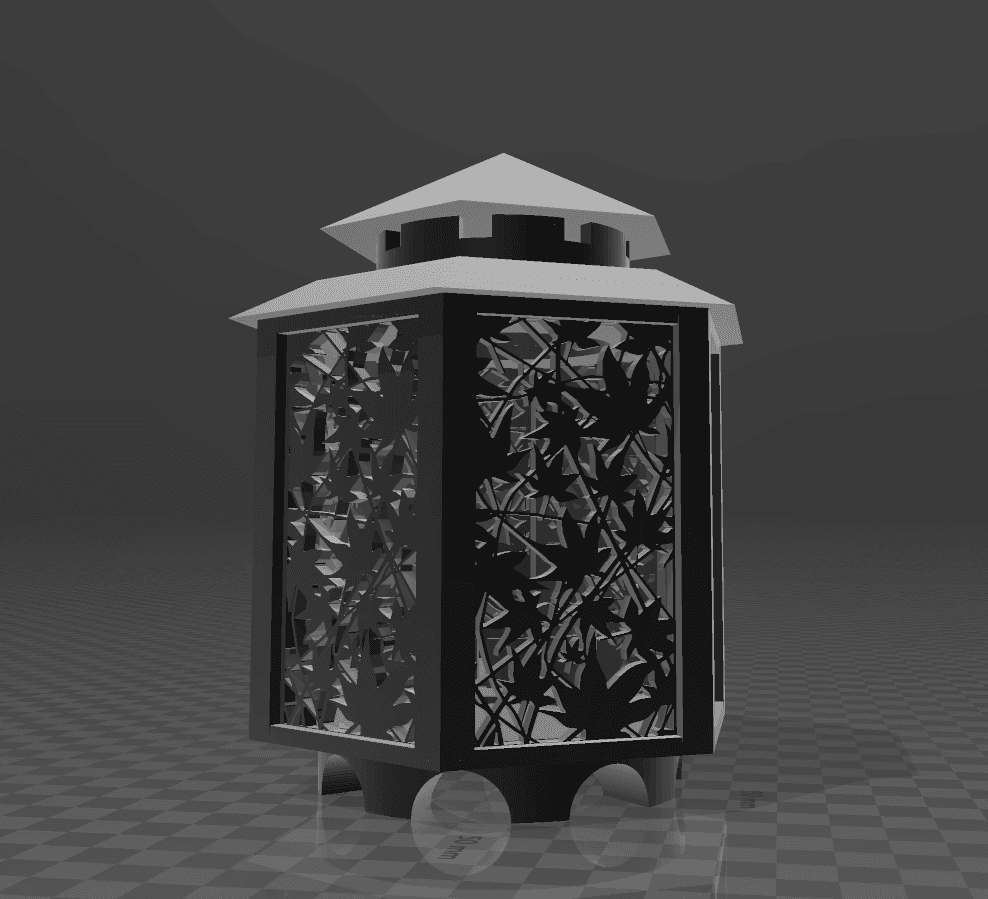
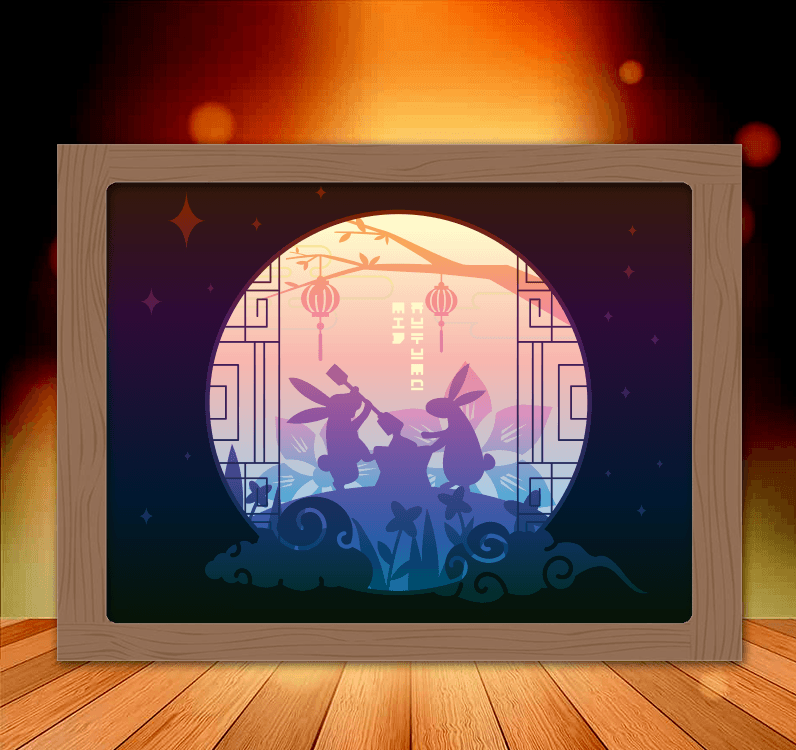
Print lantern globes and shades in spiral/vase mode with a single perimeter — thin walls let the most light through and finish in under an hour. Natural/translucent white PLA glows warmest with a battery tea light; avoid bright white, which reads cold. For the classic openwork patterns (rabbits, clouds, the moon), the cut-outs ARE the design, so do not let your slicer add a top layer over them.
Heat is the enemy — LEDs only, never open flame
PLA softens around 60°C, so a real candle inside a printed lantern will slump and can ignite the shade. Use flameless LED tea lights or a low-watt fairy-light string exclusively. If you want a piece that sits outside on a warm September evening in southern China or Vietnam, print the structural frame in PETG, which holds shape far better than PLA in heat and humidity.
Jade rabbit and moon decor: silk filament sells the look
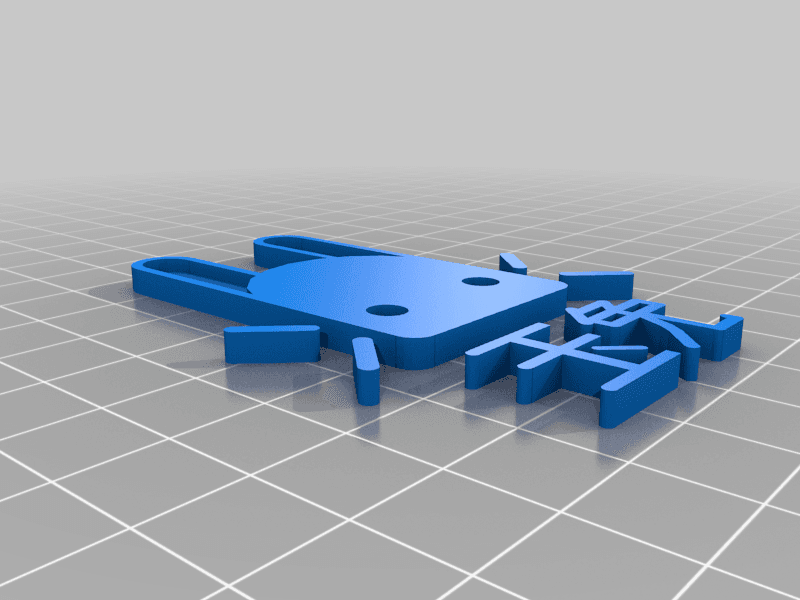
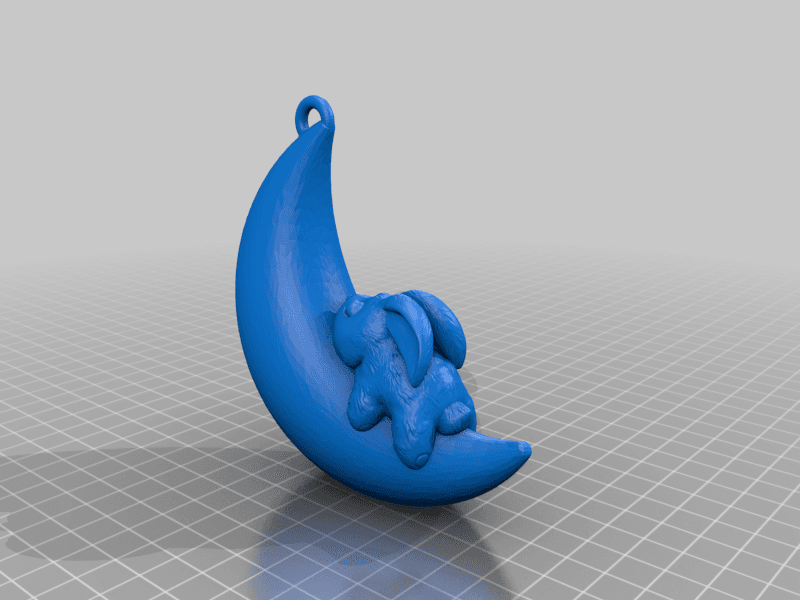
The moon-rabbit (Yutu) and full-moon motifs are the festival's signature, and silk or pearl PLA on these reads as carved jade rather than plastic. Silk needs +5–10°C and slower speeds to keep its sheen. For a backlit full-moon lithophane disc, plan one calibration print to dial wall thickness against your LED before committing to the display piece — the first one is never quite right.